Garage to house
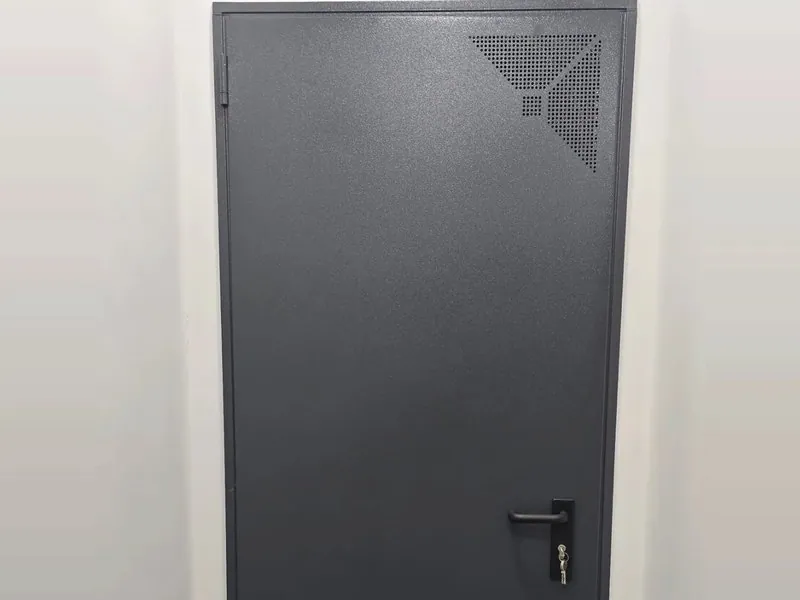
A garage holds a car, fuel, batteries, tools, paints and, increasingly, an electric vehicle charger. A fire in a garage can produce a lot of smoke. The door between the garage and the living area is therefore the first place to think of – if you fit one, it is usually an EI2 30 or EI2 60 door with a closer, so it shuts by itself.
Boiler room
A solid fuel, pellet or gas boiler, a fuel tank and an electrical cabinet – the boiler room is the second place to think of. If it is inside or attached to the house, a fire door stops a fire spreading from it into the rest of the house. More in the article Which fire door do I need for a boiler room.
Fuel store, workshop, loft
A pellet or wood store, a room with heating oil, a workshop with tools and paints, or a loft with services – each can be a source of fire. Where a room is unheated and has no fire rating requirement, robust steel multi-purpose doors are enough; where the risk is higher, fire doors are worth it.
What the design says and what is a recommendation
If the house design requires fire doors, the class is stated in the design and the doors must come with documents proving it. If the design does not require them, it is your decision – for doors to the garage and boiler room we recommend fire doors.
Fire doors only protect when they are closed – so in a house always fit them with a closer and never wedge them open.
Appearance
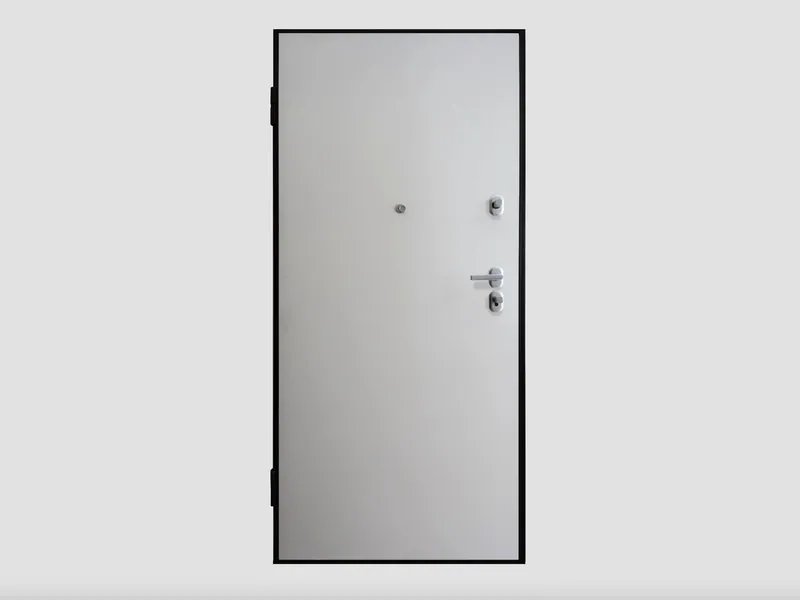
Fire doors no longer have to look industrial: they come in RAL colours and wood finishes, with the leaf flush with the frame, and for the entrance from a stairwell also as fire-rated entrance doors with panels of your choice.