How often
Inspection frequency is set by the manufacturer's instructions and the building's maintenance plan – at least once a year is often recommended, and more often for busy doors (stairwells, corridors, garages). In addition, users should report straight away any door that does not close or is damaged.
Checklist
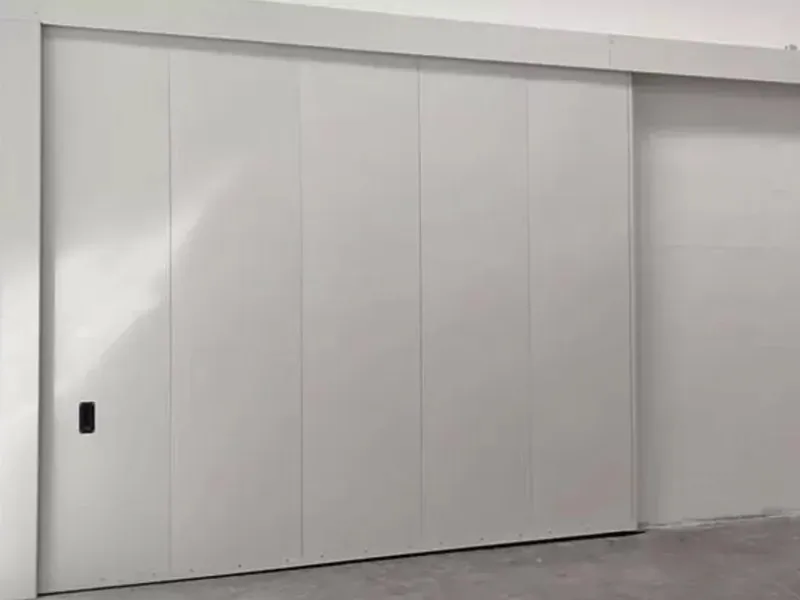
- Self-closing: open the door fully and let go – it must close and latch by itself, without pushing.
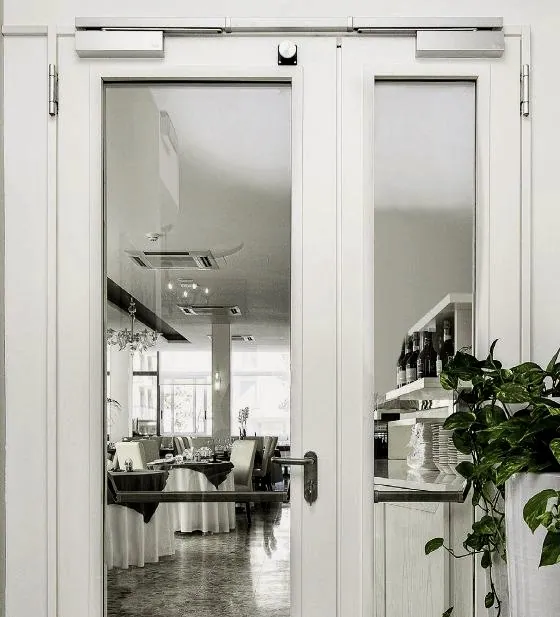
- Double doors: the leaves close in the right order (closing sequence selector).
- Lock and handle: the latch engages the strike, the handle returns to position.
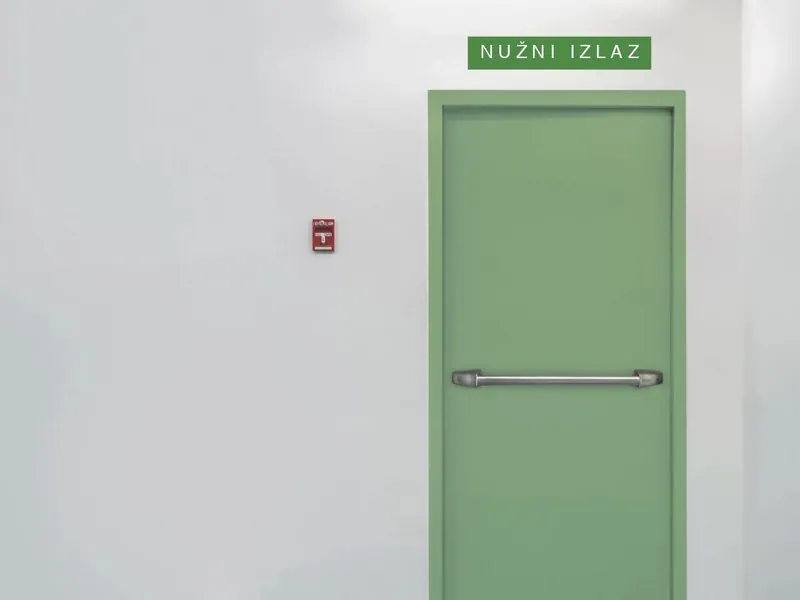
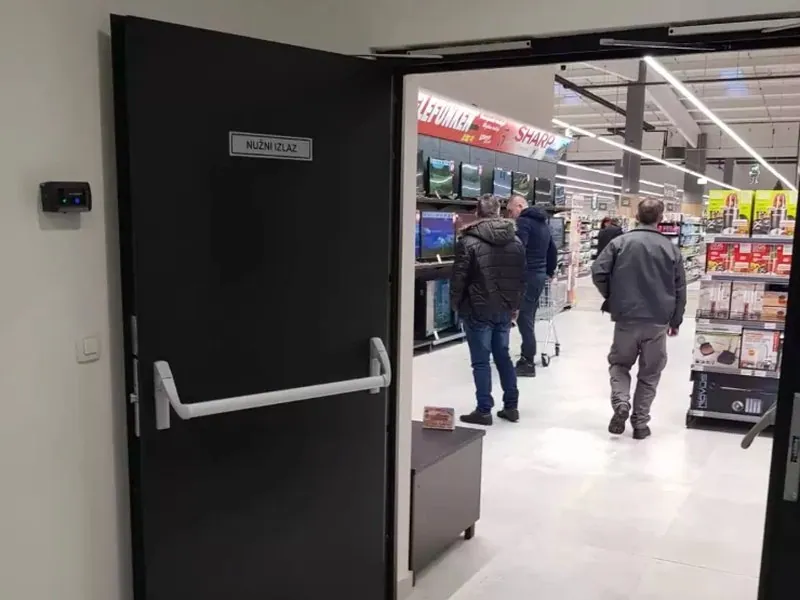
- Panic hardware: the bar or handle opens the door in one movement, without sticking.
- Electromagnetic holder: releases the door when switched off or on a fire alarm signal, and the door closes.
- Seals: intumescent and smoke seals in place, undamaged and not painted over.
- Leaf and frame: no dents, holes or added parts.
- Label: the class label on the door is legible and has not been removed.
- Passage: nothing in front of the door, nothing holding it open.
Common problems
Common problems are: wedges and ties holding doors open, closers loosened so doors “open more easily”, painted-over seals, added locks and hardware without evidence, and leaves damaged by trolleys and pallets. Each of these means the door may not protect in a fire.
If a door has to stand open because of traffic, the answer is an electromagnetic holder linked to the fire alarm – not a wedge.
Repairs and spare parts
Faulty parts must be replaced with original parts or those the manufacturer allows – closers, locks, panic hardware, seals. We stock replacement hardware and parts, and for damaged leaves we will propose a repair or replacement in the same class. Why arbitrary changes are not allowed is explained in the article on installation as a system.